
You might be wondering if Sanded vs Unsanded Grout is better if you’re thinking about redoing your tile or grout. People ask us this all the time, and the answer isn’t as clear-cut as you might think. We’ll also talk about the pros and cons of each below to help you make your own choice.
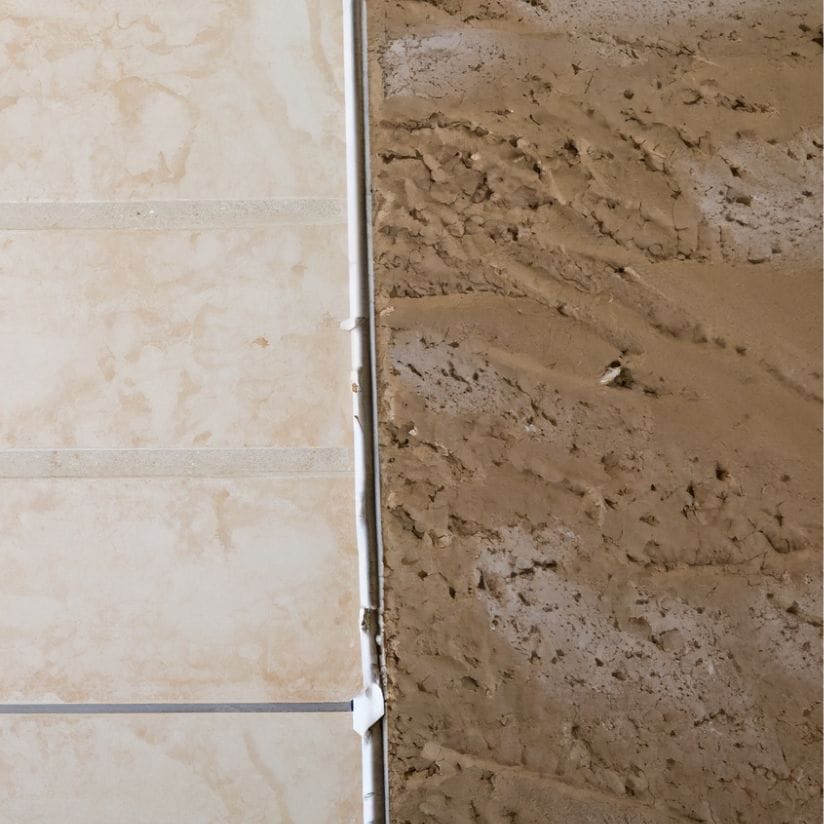
What is the difference between sanded and unsanded grout?
Grout is a mixture of cement, lime, clay, or other materials and water that is used to fill in the spaces between tiles or bricks. It has holes in it.When we’re building or fixing things, we often forget about it.Grout is the unsung hero of the building world in many ways.
It’s also what holds the tiles together and keeps them from falling off the wall.
Grout also keeps dirt, water, and mould from getting into the space between the tiles and causing problems. But we’ve seen that grout is very important.
Also, its main job is to fill in the spaces between the tiles, seal them, and act as a cushion to make the floor more insulated.
Sanded or not sanded There are two types of grout. Adding sand to grout makes it rougher and easier to clean. Not as porous and smoother than sanded grout.
Grout that has been sanded for the shower
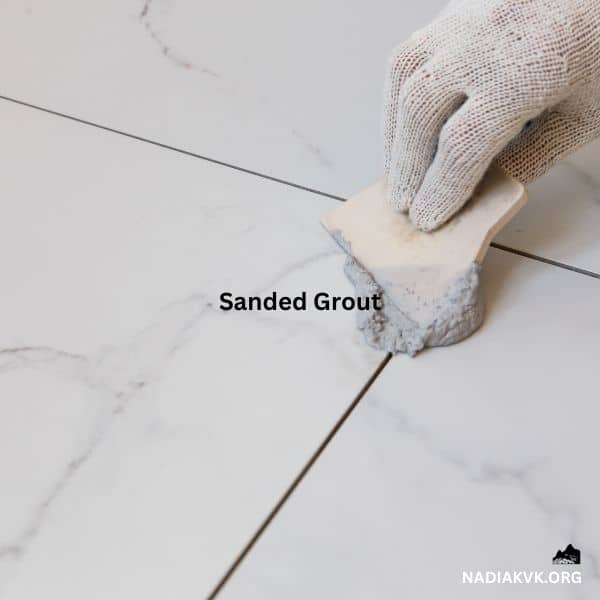
To make sanded grout, you mix sand and cement together and then grind the mixture. It can be used for many things, like tiling walls and filling in gaps between tiles.
The colour of the grout can be very important. It can make a room brighter or darker.
A lot of homeowners need the grout pads. They don’t cost much and will make the grout look better.
Sanded grout is the last thing you do in many home improvement projects. It will make the grout’s surface smooth and even. It is also a type of grout with a rough surface that makes it less likely to stain.
Check out: Quartz vs. Granite
Long lasting
Sanded grout is a great choice for many types of flooring because it makes thick joints, sticks better to the floor because it doesn’t shrink as much, and can handle a lot of foot traffic.Under pressure, sanded grout lasts longer.
When pressure is put on unsanded grout, it tends to crack. This means that it’s not the best choice for many flooring jobs where heavy foot traffic puts pressure on the floor.
Installation Method
When tiling, you need to think about the grout because it fills in the gaps between the tiles for both looks and stability.People usually recommend unsanded grout for tiles that scratch easily, like natural stone, travertine, glass, ceramics, and some types of porcelain. Sanded grout, on the other hand, is easier to work with because the scratches on the tile surface aren’t as important.
Read More: River White Granite
Thickness
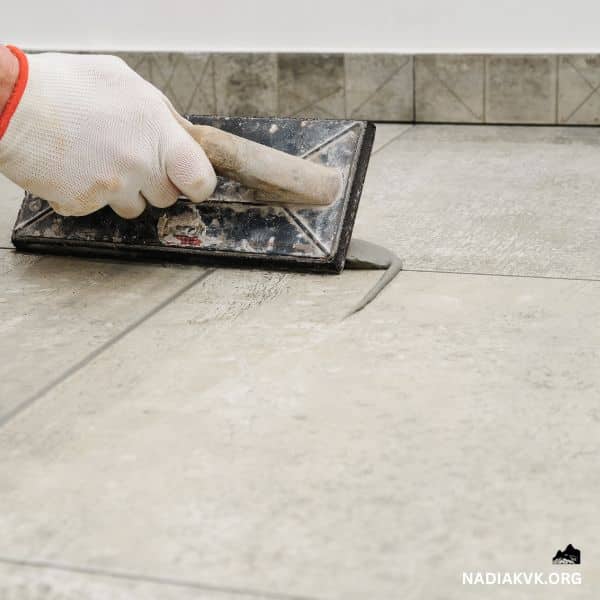
We will talk about the differences between sanded and unsanded grout in this article. You need to know the difference between these two kinds of grout because they have different properties that can change how an installation goes. Sanded grout is thicker and rougher than unsanded grout because it has aggregate sand in it. Unsanded grout is thinner and smoother.
Basic Difference
It is a material that is used to fill in the spaces between tiles. You can choose between sanded and unsanded grout, depending on what you like.
Grouts that have been sanded feel rougher, while grouts that have not been sanded feel smoother.
When grouting tiles, you need to make sure you use the right kind of grout for the surface. You shouldn’t use unsanded grout on surfaces that will get wet because they are softer and easier to stain.
The type of grout you choose will mostly determine how thick and long-lasting it is in your home.
Sanded grout is much thicker than unsanded grout, which makes it last longer. It also looks better than grout that hasn’t been sanded.
Pros And Cons Of Sanded Grout
Here are some pros and cons of sanded grout:
- It is easier to clean and doesn’t stain as quickly as non-sanded grout. It is also easy to take care of.
- Sanded grout has a lot of benefits. It lasts a long time, is easy to clean, is water-resistant, and you can add colour to it.
- It costs more than non-sanded grout and can be harder to get rid of if you need to replace it.
- If the crack or damaged area is less than 0.100 inches wide, you shouldn’t use sanded grout.
Read More: Why You Shouldn’t Stand or Sit on Your Granite Countertops
Unsanded Grout
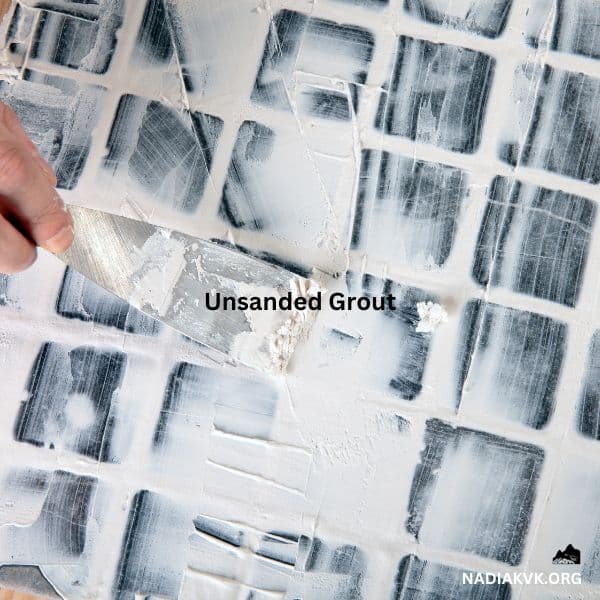
- Unsanded grout is a type of grout that hasn’t been smoothed out with sand. This is because it is usually used to give things a rustic look.
- Unsanded grout is the most common type because it is the easiest to clean and doesn’t slip as much.
- But it’s not as strong as sanded grout and is more likely to get stains.
- Grout that hasn’t been sanded is grout that has been mixed with sand but not polished.
See also: Luna Pearl Granite
Pros And Cons Of Unsanded Grout
The best thing about unsanded grout is that it is more affordable.
- You can use unsanded grout in places where there won’t be any water, and it costs less to keep up. You can dye the unsanded grout different colours.
- There are also some problems with unsanded grout. For instance, grout that hasn’t been sanded is not very strong. This means that it can get stained if it gets wet. Also, cleaning unsanded grout can be hard.
- Also, the finish of unsanded grout isn’t very nice.
Grout Width
The width of the grout line is what matters. For instance, grout lines that are 4 inches wide are usually about 3/8 inch wide. Grout lines that are 2 inches wide are usually 1/2 inch wide.
Usually, sanded grout is 3/8″ wide, but if you’re using bigger tiles, it might be 1/2″ wide.
Most of the time, unsanded grout is 1/8″ wide, but there are some times when it isn’t.
Cost
When buying new grout, you should think about how much it costs to sand or not sand it.
The amount of sand mixed with the cement determines how much grout costs. You can make the grout cheaper by adding more sand.
The price of sand also depends on how good it is. The price is high if the sand is good.
Sanded grout looks smoother and comes in more colours than unsanded grout. Sanded grout also costs more.
Sanded grout is also a good option for surfaces that are vertical.
Is it possible to combine sanded and unsanded grout?
No, you can’t mix sanded and unsanded grout together because the sanded grout won’t stick to the unsanded grout. After the grout has dried, you should use a sponge or something else to get rid of the extra unsanded grout.
There aren’t many differences between sanded and unsanded grout, such as:
1. How they look different
Sanded grout looks different from unsanded grout because it has a finer texture. The type of sand used can also make it brighter or darker.
Unsanded grout is rougher, which means it can leave marks on your tile if you don’t buff them out before you start grouting.
Read More: Fantasy Brown Granite
2. The difference in how long they last
The sand particles help seal the grout joints between tiles. This means that sanded grouts are less likely to get dirty and stained than unsanded grouts.
Also, sanding is an important part of any tile installation process if you want it to last longer.
Because unsanded grout is more porous than sanded grout, the two types won’t stick to each other.
It’s also harder to clean unsanded grout off of tiles, which makes it hard to put new sanded grout on top of it.
There are a few ways to find out what kind of grout you have if you’re not sure.
The first and best way is to run your fingers over the surface and see if white marks show up. If so, the grout is probably made of latex. If not, it could be made of silicone.
What Kind of Grout Is Used to Fill in the Gaps Between Tiles in a Shower?
Tile is a popular choice for shower floors in homes because it looks nice and lasts a long time.
Grout is needed for the tile joints on a shower floor. It makes the space look more uniform and can help the tile last longer. You can use either cement-based or epoxy grout on shower tiles.
But the most common kind is made of cement. Portland cement, water, and sand make up cement-based grout.It’s important to remember that body oils can make grout lines look yellow.This is why homeowners should scrub the grout with a toothbrush and baking soda paste every now and then. They all have different uses, so you should use it based on what you want to do with the space.
Read More: Steel Grey Granite
What is the best way to care for tiles?
Taking care of tiles can seem like a lot of work, especially if you don’t know where to start. But if you use the right tools and methods, you can keep your tiles looking good for a long time. Here are some tips for keeping your tiles in good shape.
First of all, it’s very important to clean your tiles often. This will stop dirt and grime from building up over time. Use a soft sponge or cloth and a mild cleaner or warm water to clean your tiles. Avoid using any strong chemicals that could damage the surface of the tile.
You need to be careful not to chip or scratch your tiles. You can do this by putting furniture pads under big things like chairs and tables and not dragging anything across the tile’s surface.
How to Pick the Right Grout for Your Project
Grouts are a must for any job with tile or stone. They keep the tiles dry by keeping moisture in the air and keeping water from getting into the mortar.
There are so many different kinds of grout on the market that it might be hard to choose the best one for your project.
This post answers the most common questions about grouts and shows you how to choose the right one for your tile project.
Read More: Dallas White Granite
What features should I look for when picking out a grout?
There are a few things to think about when choosing grout for your tiles. When putting down ceramic tiles, it is best to use very light grout.
This lowers the risk of the tiles cracking, chipping, or scratching. You shouldn’t use cement-based grouts because they tend to crack and shrink. Some people like grouts that are made with silicone.
What are some things I can do to help me pick a grout?
It can be hard to pick the right kind of grout. There are also a lot of different kinds of grout, and not all of them will work for you. It can be hard to find the right one. When you buy grout, keep the following in mind to avoid making a costly mistake:
Grout can be used to fill in the spaces between tiles, stones, bricks, marble, and other types of stones. It is used to fill in the holes and make the surface smooth. Grout comes in many colours and patterns, so you can use it with different materials.