
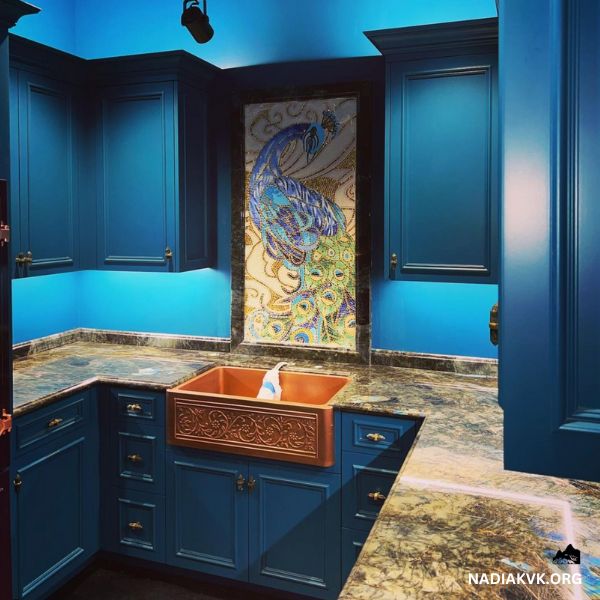
Picture this: you walk into a kitchen and see flashes of blue, green, and gold on the countertop. It looks like the surface is alive. That’s the beauty of labradorite, a stone that is quickly becoming the most important part of high-end homes. Labradorite countertop could be just what your home needs to feel new again if you’re sick of the same old granite and marble.
But what is labradorite, really? And is it really useful as well as pretty? Let’s look at the details of this one-of-a-kind material so you can decide if it’s right for your kitchen, bathroom, or any other place you want to make a statement.
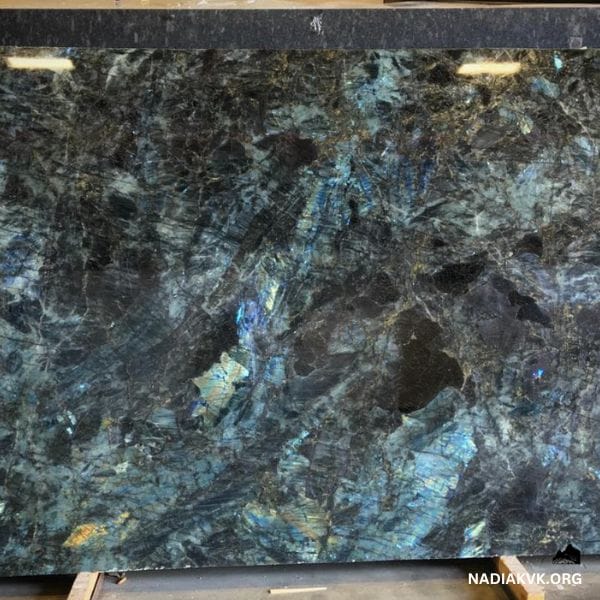
What is Labradorite?
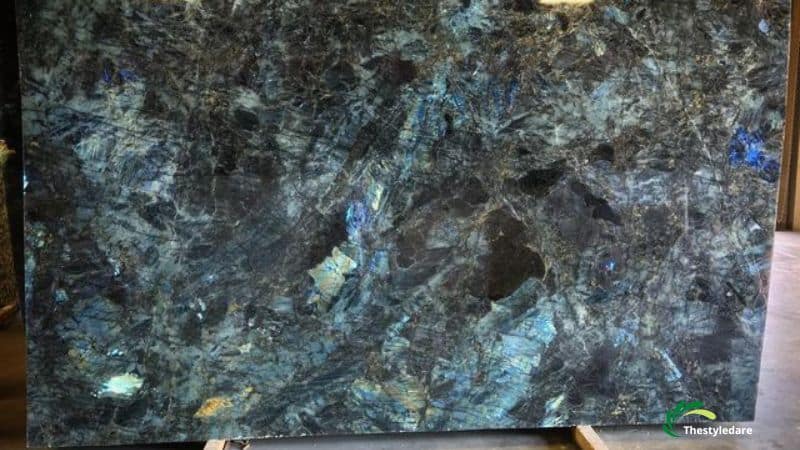
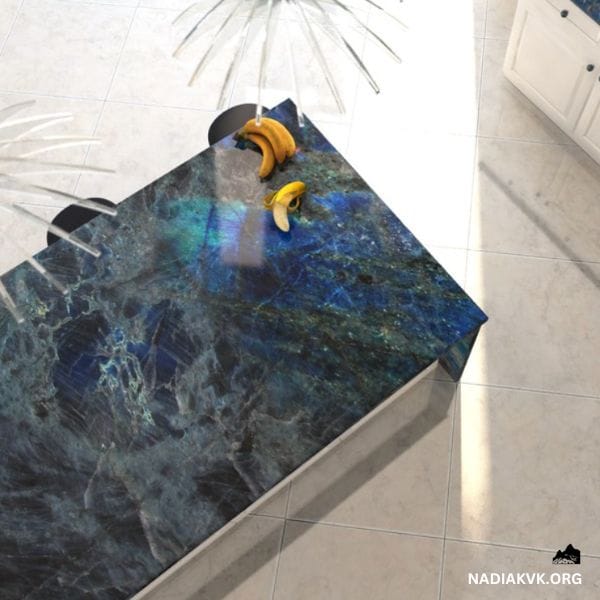
Labradorite looks almost like it’s from another world at first. This stone comes from places like Canada, Madagascar, and Finland. It is part of the feldspar family and is known for its “labradorescence,” or the way it changes color in the light. If you tilt a slab in the light, you might see blues, greens, and sometimes even gold or violet flashes. Labradorite has been prized in jewelry for hundreds of years.
But it wasn’t crazy to think that jewelry could become countertops. Labradorite has become a top choice for people who want to add more personality to their homes. There are no two slabs that are exactly the same. Each one is a work of art.
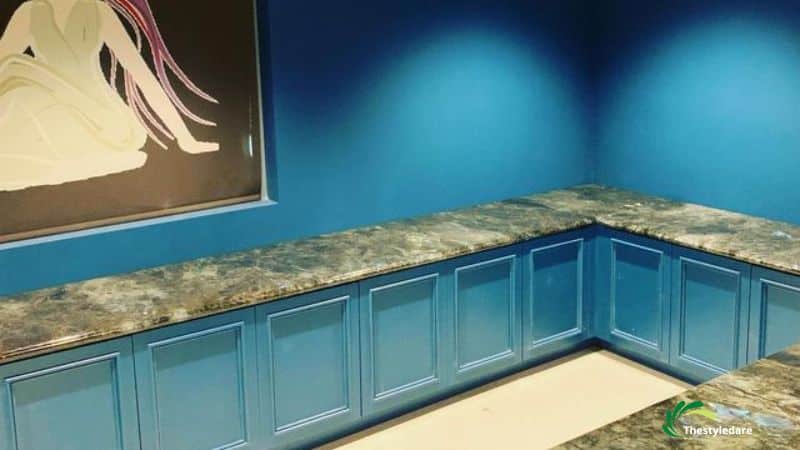
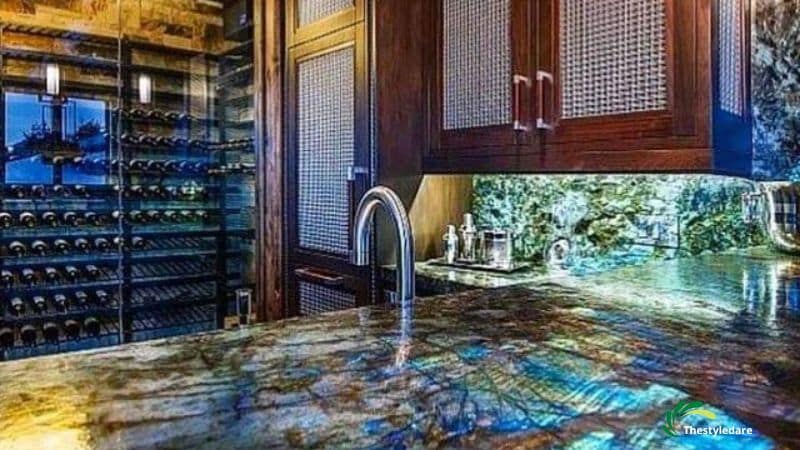
Why Choose a Labradorite Countertop?
To be honest, if you’re thinking about getting labradorite, you probably want more than just a place to put your coffee cup. This is why this material is so special:
- Jaw-Dropping Looks: You can’t say enough about how beautiful labradorite can be. Because it catches and reflects light, it is a living, breathing work of art. People will probably ask about it, and you’ll probably admire it every day.
- Uniqueness: There is no such thing as two pieces of labradorite that are the same. Your countertop will be one in a million because the colors, patterns, and veins are different on every slab. This is a big plus if you want your home to feel unique.
- Long-lasting: Labradorite isn’t just pretty. It can handle normal use in the kitchen and bathroom, as long as you take care of it. That means it won’t easily scratch or burn, and it’s not as porous as some other high-end stones.
- Conversation Starter: Let’s be honest: not everyone has a kitchen counter that looks like a piece of the Northern Lights fell on it. People will definitely talk about Labradorite.
Are there any negatives?
Of course, no material is perfect. Before you buy Labradorite, there are a few things you should think about.
- High Price: This is not a beginner’s material. It is hard to find, quarry, cut, and polish labradorite. Labradorite is usually more expensive than most types of granite, and sometimes even more expensive than marble or quartz.
- Availability: Not every stone yard will have labradorite in stock, so you may have to order your slab ahead of time. That means you’ll have fewer options and longer wait times.
- Upkeep: Labradorite, like all natural stone, needs some care. You should seal it often to keep it from getting stained, and you shouldn’t use harsh cleaners on it. That being said, soap and water are usually all you need to keep it clean.
- The risk of chipping: Labradorite could chip if you drop something heavy on the edges or corners. But this isn’t usually a problem with normal use and a little care.
Read More: Porcelain Countertops
The Process of Installing
Are you thinking about taking the leap? If you choose to put in a labradorite countertop, here’s what you can expect.
- Finding Your Slab: If you can, it’s best to go to a stone supplier in person. Pictures just can’t show how beautiful the colors and patterns of labradorite are. You might be surprised at how much the look changes when you hold the slab up to different lights and angles.
- Cutting and fitting: Templating (making a perfect pattern for your space) is very important because each slab is different. You should hire experienced fabricators and installers because cutting labradorite can be a little more delicate than cutting granite.
- Edge Profiles: Most people choose simple, rounded, or beveled edges because they are less likely to chip and show off the stone’s natural beauty.
- Professional Installation: Get a professional to do this. Because of its weight, cost, and fragility, the stone needs to be installed by a professional.
Read More: River White Granite
How to Take Care of Your Labradorite Countertop
Are you worried about upkeep? Don’t worry. Here are some easy ways to keep your labradorite looking as good as new:
- Seal Regularly: A good sealant every year or two will help keep stains away.
- Cleaning Gently: Most of the time, all you need is soap and water. Stay away from anything that is acidic, or rough.
- Protect from Heat and Impact: To keep things safe from heat and impact, use trivets for hot pots, and cutting boards for chopping. Labradorite is strong, but it can break.
- Quickly Clean Up Spills: Wipe up spills right away especially with oils, vinegars, or wines to keep them from staining.
How Much Will It Cost?
Let’s talk about the numbers. Prices for Labradorite countertops usually start at about $200 per square foot, but they can go up to $350 or more, depending on the stone’s quality, thickness, and source. It could cost you a few thousand dollars to have a regular kitchen island or big vanity installed.
Is it a waste of money? Of course. But for a lot of people, the one-of-a-kind beauty and status make it worth every penny.
Design Inspiration: Making the Most of Labradorite
Don’t know where labradorite would look best in your house? Think about these things:
- Kitchen Islands: The island should be the main attraction. The deep, shiny colors will definitely get people attention.
- Vanities for the bathroom: Use sleek fixtures to give the space a high-end, spa-like feel.
- Backlit Bars: Thin slabs can be lit up from behind with LEDs to make a stunning effect, especially in home bars or entertainment areas.
- Accent Pieces: You can use smaller pieces of labradorite, to make decorative wall panels, tabletops or even fireplace surrounds.
Read More: Can You Use Fabulous on Countertop
How Does Labradorite Stack Up to Other Countertops?
Its normal to compare labradorite to more common surfaces. Heres a quick summary:
Granite
Granite is easier to find, a little stronger, and less expensive but it doesn’t have the iridescent drama.
Marble:
It is softer and more likely to stain, but it is a classic that will never go out of style. Labradorite is stronger and comes in a lot more colors.
Quartz:
It was made to last and be easy to care for, but it can’t match the natural beauty of labradorite, which changes over time.
Quartzite:
It’s strong and pretty, but its look is much more subtle than the bold look of labradorite.
Read More: Quartz vs Granite
Is Labradorite the Best Option for You?
Not everyone will like labradorite, which is part of what makes it so appealing. It’s hard to beat if you like unique, eye-catching designs and don’t mind a little extra care (or cost). If you want a cheap countertop that you can set up and forget about, granite or quartz might be better for you.
Labradorite might be just what you need if you want a countertop that feels like a work of art and makes you happy every time you walk into the room.
To know more visit: artdrivethru