
One of the most fun home projects you can do is redesign or update your kitchen. Your countertops are one of the most visible and important choices you can make about how your kitchen looks and works. But with all the excitement, it’s easy to make mistakes that will last for years. This guide will show you the most common kitchen countertop mistakes and, most importantly, how to avoid them, whether you’re remodeling for the first time or just want to avoid the mistakes that others have made.
Let’s get started and make sure your kitchen looks and works just the way you want it to!
Not Considering Your Lifestyle
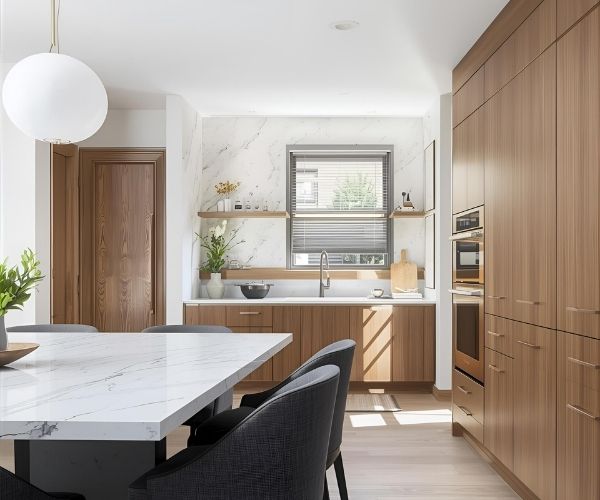
People often make the mistake of choosing a countertop just because it looks nice, without thinking about how it will fit into their daily life. You might be tempted to buy a beautiful marble slab or a trendy concrete counter, but if it doesn’t work for your home, you’ll quickly regret it.
How to Avoid It:
Be honest about your habits. Do you cook or bake every day, or do you mostly just use your kitchen to make coffee and the odd sandwich? Do you have kids who might spill, draw, or bang their toys on the counters? Do you like to keep things clean and tidy, or do you prefer a surface that you can just wipe and go?
Don’t just match your countertop to your Pinterest board; match it to your real life. Quartz or granite might be best for heavy use. If you want to live a low-maintenance life, don’t use porous materials like marble unless you’re ready to take care of them.
Not paying attention to maintenance needs
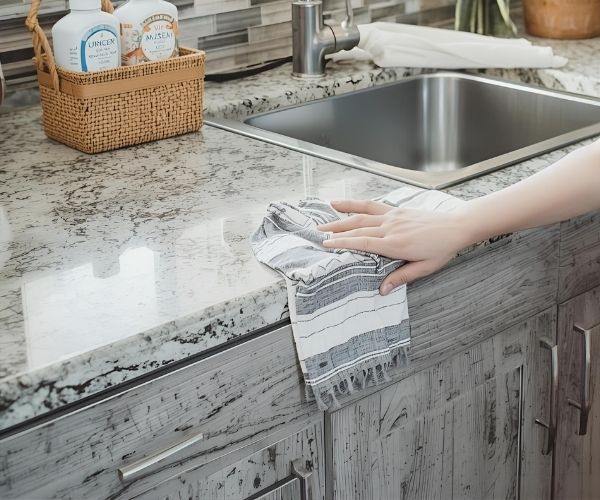
Each type of countertop material has its own care instructions, and some are much harder to follow than others. A lot of people get caught up in the moment and don’t think about how much work it will take to keep that surface looking new.
How to Avoid It
Before you buy, find out what kind of care it needs. Granite and marble need to be sealed often, butcher block needs to be oiled to keep it from drying out and cracking, and some engineered surfaces only need a quick wipe down. Choose quartz, solid surfaces, or laminate if you want something that doesn’t need a lot of care.
Think about whether or not you’re really going to reseal your counters every year or oil your wood surfaces on a regular basis. If the answer is “probably not,” be honest with yourself and make a choice based on that.
Not realizing how important durability is
It’s easy to fall in love with a beautiful countertop without thinking about how well it will hold up to daily use. You don’t want to find out that some materials are likely to get scratched, damaged by heat, or stained after they’ve been installed.
How to Avoid It
Consider how much use your kitchen counters will get. You need something that can handle it if you always drag heavy pots or use sharp knives. Marble looks great, but it can get scratched and stained easily, especially by acidic foods.
If you put hot pans on laminate, it can chip or burn. Granite, quartz, and concrete are usually stronger, but they can still get damaged. Always ask for samples and try them out at home a few times before you make your final choice.
Only Paying Attention to Trendy Looks
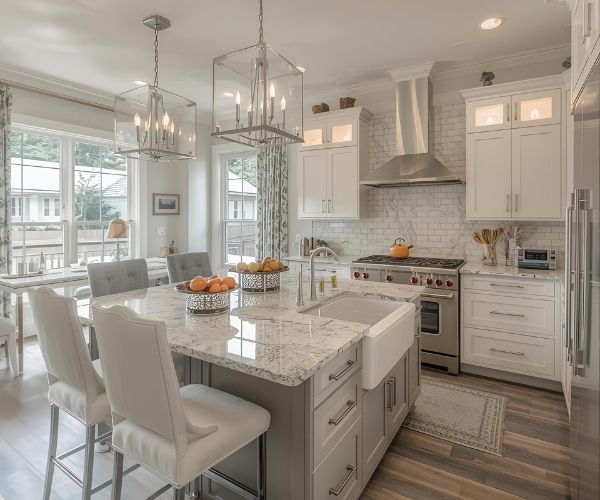
Trends in the kitchen change all the time. Things that are in style this year might not be in style in a few years. Too many times, homeowners choose a countertop based on what’s popular at the time, only to wish they hadn’t later.
How to Avoid It
Instead of following trends that come and go, choose something that fits your style and will last. If you like bold veining or unusual colors, you might want to use them in smaller amounts, like on an island or in an accent area, while keeping the main countertops neutral.
If you want to sell your home later, classic colors and materials are usually the best choice. Keep in mind that you’ll have to live with your choice every day, even after the trends change.
Not Planning the Whole Project’s Budget
Countertops can take up a lot of your kitchen renovation budget, not just for the material but also for installation, edge treatments, cutouts, and more. A lot of people think about the cost of the slab but not the other things that go with it.
How to Avoid It
Always ask for a full quote that includes not only the countertop itself, but also the cost of installation, delivery, edge profiles, cutouts for sinks and appliances, and even the cost of taking away and throwing away your old counters.
If you’re using a heavy material like granite or concrete, don’t forget to factor in the extra costs for reinforcement. If you have any questions, ask them. This way, you won’t be surprised by any extra costs later on.
Not thinking about how lighting affects things
You might be surprised at how different a countertop looks in your kitchen than it does in a store. Natural and artificial light can change the color, pattern, and overall look of a surface in a big way.
How to Avoid It
Before making a final choice always take samples home. Check them out at different times of the day and in the light of your kitchen. In a store, something that looks completely white might look yellow or gray in your home. If you can, look at a bigger sample or even a whole slab to see the whole pattern and movement, especially if the material is granite or marble.
Picking the Wrong Edge Profile
The edge profile of your countertop may seem like a small thing, but it affects how it looks and how well it works. After installation, some people realize that the edge they chose catches crumbs or feels too sharp.
How to Avoid It
Consider both how it looks and how useful it is. Square or eased edges give a clean, modern look and are usually the safest and cheapest choice. More decorative edges, like ogee or bullnose can make things look better but they may cost more and be harder to clean. Stay away from sharp corners if you have small children. Talk to your installer about edge options and, if you can, see samples in person.
Not Thinking About the Seams
If the world were perfect, every kitchen countertop would be one piece of stone. Most kitchens, especially big or L-shaped ones, will have at least one seam in real life. Seams that are in the wrong place or are too obvious can be ugly.
How to Avoid It
Before installation, talk to your fabricator about where the seams will go. With the right materials, like quartz or solid surface, skilled professionals can make seams look less obvious. If the material has a lot of pattern or veining, ask the fabricator if they can “bookmatch” the pattern so that it flows across the seam. Talk about this before you cut the countertop if hiding seams is very important to you.
Going Too Bold (Or Too Bland)
Some people choose a completely neutral countertop to be safe, while others go all out with a crazy pattern or color. Either extreme can make you feel bad. Bland can be boring, and bold can be too much.
How to Avoid It
Find a middle ground. If you want to be bold, try it out on a small area, like an island, and keep the rest of the counters more calm. If you want to stay neutral, add color in other places, like the backsplash, accessories, or paint. Keep in mind that your countertop will be with you for a long time, so pick something you like every day.
Not thinking about how it works
A countertop isn’t just for looks; it’s also a place to work. People sometimes pick a material without thinking about how well it will work for things like chopping, kneading dough, or holding appliances.
How to Avoid It
Think about how you use your kitchen. Marble is great for rolling out dough if you love to bake, but if you’re tough on your surfaces, you might want to use quartz or granite instead. Think about using different materials. A lot of people use butcher block for an island or baking station and quartz or stone for the rest. It’s always a good idea to make your kitchen fit your needs.
DIY Installation Gone Wrong
It may be tempting to save money by putting in your own countertops, but if you are not really good at it, you could make mistakes that cost you a lot of money, like cracked slabs, seams that aren’t straight or surfaces that aren’t level.
How to Avoid It
Know what you can and can’t do. Laminate and butcher block are easy to work with for confident homeowners, but stone, quartz, and concrete should be left to the pros. Fixing a DIY disaster can easily use up all the money you thought you could save.
Not Making Plans for Appliance and Sink Cutouts
Countertops need to have room for sinks, cooktops, and sometimes pop-up outlets or other appliances. If you don’t plan for these, your new countertop could end up with awkward layouts, expensive changes, or damage.
How to Avoid It
Before making the countertop, work closely with your kitchen designer and fabricator to plan for all the cutouts. If you can double check the measurements, and have the appliances and sinks on site. To avoid last-minute surprises, make sure you know what needs to be installed before you start templating.
Not thinking about how it will affect cabinets and the structure
Countertops made of granite, quartz, or concrete can be very heavy and need extra support. If you don’t pay attention to this, the weight can make cabinets sag or even break.
How to Avoid It
Have a pro check your cabinets before you put them up. Reinforce as needed; this may mean adding more supports or braces. Just because your cabinets are in good shape now doesn’t mean they can handle the weight.
Not paying attention to the backsplash
A lot of people don’t know how important the space between your countertop and backsplash is. If your backsplash doesn’t match your new counters, they might not look good together, or you might end up with weird gaps or cuts.
How to Avoid It
Even if you’re putting in your backsplash and countertop at different times, plan them together. Bring sample of both home and make sure they go well together. If you can, put the countertop in first, then measure and fit the backsplash so that it looks like one piece.
Not Thinking About Reselling in the Future
It’s important to make a kitchen you love, but you should also think about how your choices might affect how much your home will sell for. Countertops that are too personalized or strange can make buyers not want to buy.
How to Avoid It
If you plan to sell in the next few years, use classic, neutral colors and materials for the main counters. Use accessories, paint, or a small accent area to show off your personality. You can always change the color of your kettle or the color of your walls, but changing the countertops is a much bigger deal.