
For any homeowner, picking the right material for their kitchen countertop is a big deal. The countertops you choose don’t just look good; they also affect how long your kitchen lasts, how much it costs, how much work it needs, and even how your whole house feels. There are so many choices, from traditional granite to modern quartz, eco-friendly materials, and cheap laminates, that it can be hard to choose. This guide will tell you everything about how to choose the right kitchen countertop material you need to know to make a smart choice that fits your lifestyle and design dreams.
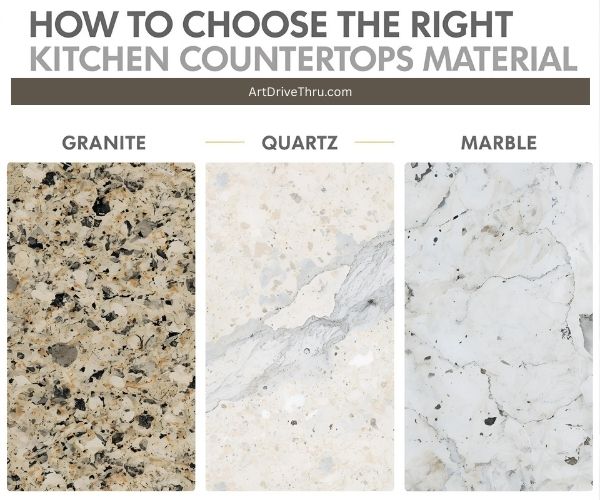
1. Know Your Kitchen Habits
Before you look at the different materials, think about how you use your kitchen. Do you love cooking at home and are always chopping, slicing, and baking? Or do you mostly just use your kitchen to cook and drink coffee with friends? Maybe you have kids who are likely to spill things or a home where cleaning needs to be quick and easy.
Think about:
- How much do I cook?
- Do I need a surface that won’t get hot or stained?
- How much time am I willing to put into upkeep?
- How much money do I have for countertops?
- Do I want something that will last for decades, or do I plan to remodel again soon?
Knowing what you need, will help you choose the best option and avoid making expensive mistakes.
2. Think about your budget
There are a lot of different prices for countertops. The National Kitchen & Bath Association says that countertops can cost 10 to 15 percent of the total cost of remodeling your kitchen. Here’s a rough idea of how much common materials cost per square foot (including installation):
- Laminate: $20–$50
- Butcher Block: $35–$200
- Granite: $40–$200
- Quartz: $50–$150
- Marble: $50–$250
- Solid Surface (e.g., Corian): $50–$120
- Concrete: $65–$135
- Soapstone: $70–$120
- Stainless Steel: $80–$225
Costs can change based on where you live, the size of the slab, the type of edge treatments you choose, and how hard it is to install. Don’t forget to include the cost of taking out your old countertops and making any changes to your cabinets or plumbing.
3. Explore Popular Countertop Materials
Let’s take a closer look at the good and bad things about the most common types of countertops:
Granite
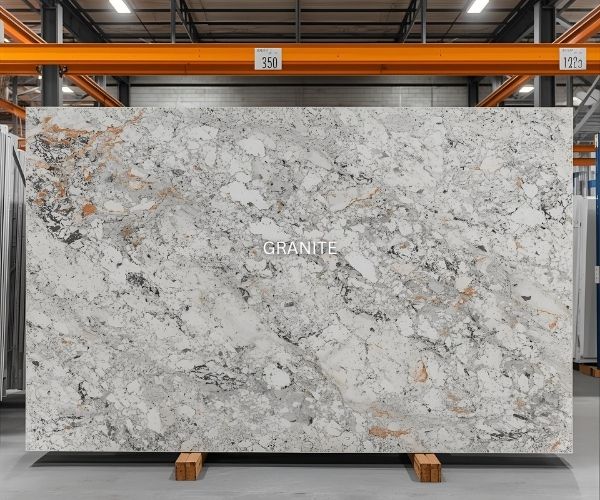
Granite is a classic choice because it looks natural and has patterns that are one of a kind. Because each slab is different, your kitchen will have a truly unique feature.
- Pros: Comes in a range of colors, is heat resistant, lasts a long time, and raises the value of your home.
- Cons: It needs to be sealed every so often, it can crack if you hit it hard, its expensive and heavy (it may need extra cabinet support).
Granite is a good choice for busy kitchens, but it does need some care. Granite is a great choice if you want a high-end look and don’t mind doing some work to keep it looking nice.
Quartz
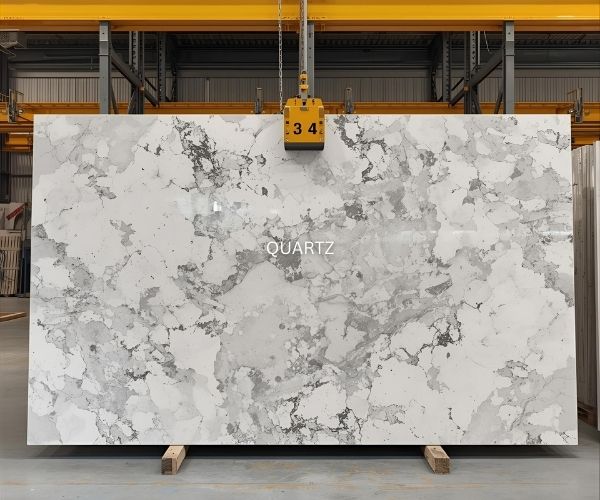
Quartz countertops (engineered stone) have become very popular. They are made of crushed quartz and polymer resins, which give them a consistent look and a wide range of colors.
- Pros: Doesn’t need to be sealed, doesn’t stain or scratch easily, doesn’t need much care, and always looks the same.
- Cons: Can fade in direct sunlight, isn’t as heat resistant as granite, and costs a lot.
Quartz is great for families or anyone who wants the look of stone without having to take care of it.
Marble
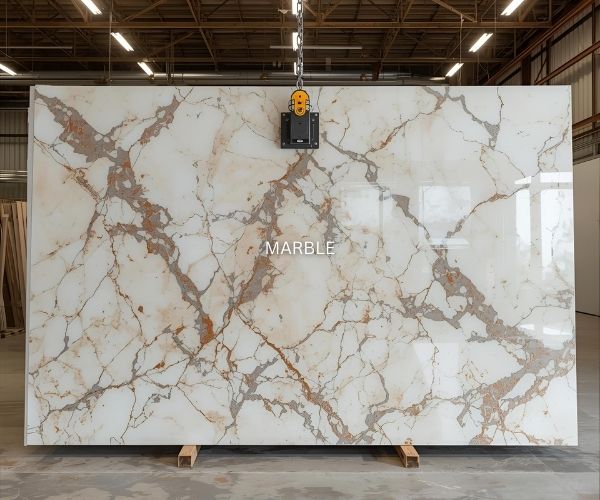
Marble is the most elegant stone, and luxury kitchens often use it. It has the best veining, but it does need to be taken care of.
- Pros: Unique, beautiful veining that can handle heat.
- Cons: It stains easily, scratches and chips easily, costs a lot and needs to be sealed regularly.
If you like to bake a lot you’ll love how cool marble is for rolling dough. Just know that you’ll have to do more work.
Solid Surface (like Corian)
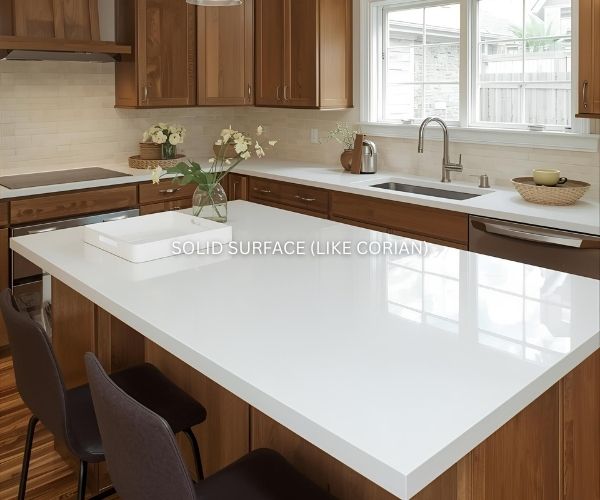
Acrylic or polyester resins are used to make solid surface countertops. You can easily combine them with sinks and backsplashes.
- Pros: Doesn’t absorb water, easy to fix, has no seams, and comes in a lot of colors.
- Cons: It can get scratched or dented, it doesn’t hold up to heat, and it doesn’t look as much like natural stone.
These are great for homeowners who want a smooth, modern look and easy repairs.
Laminate
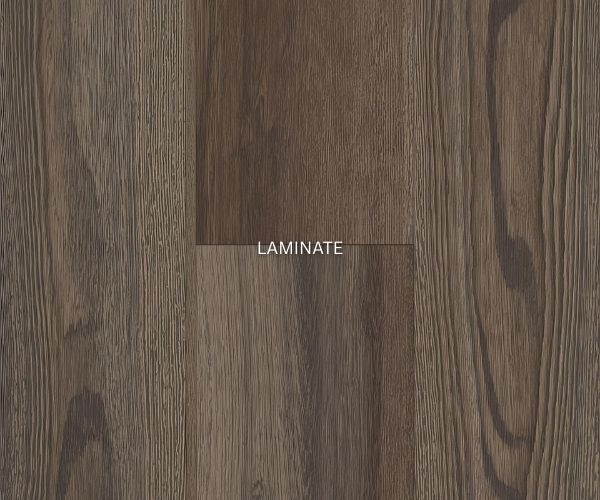
Laminate countertops have changed a lot since the 1970s. Modern laminates look like stone, wood, or concrete but cost much less.
- Pros: Cheap, simple to put together, comes in a lot of colors and patterns, and doesn’t need much upkeep.
- Cons: Not heat resistant, seams may show, and it can scratch or chip. It’s not as strong as stone.
Great for rental properties or remodels on a tight budget.
Butcher Block
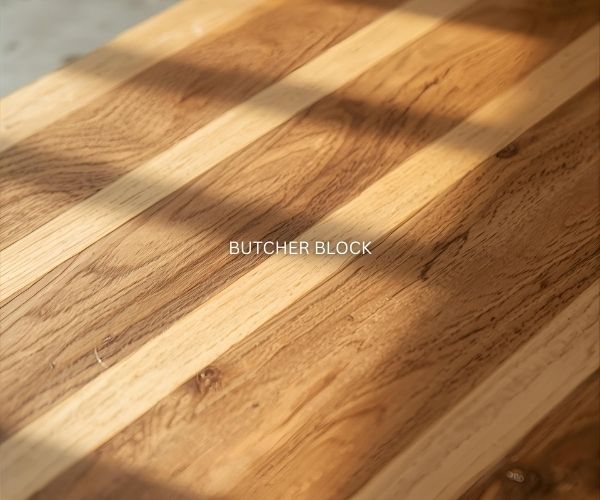
Wood butcher block countertops add warmth and a rustic look to kitchens.
- Pros: Looks warm and natural, great for chopping, can be sanded and refinished.
- Cons: It can stain or burn, it needs to be oiled often, and it can hold bacteria if it isn’t cleaned well.
A good choice for islands or accent areas, but it needs to be taken care of to stay looking good.
Concrete
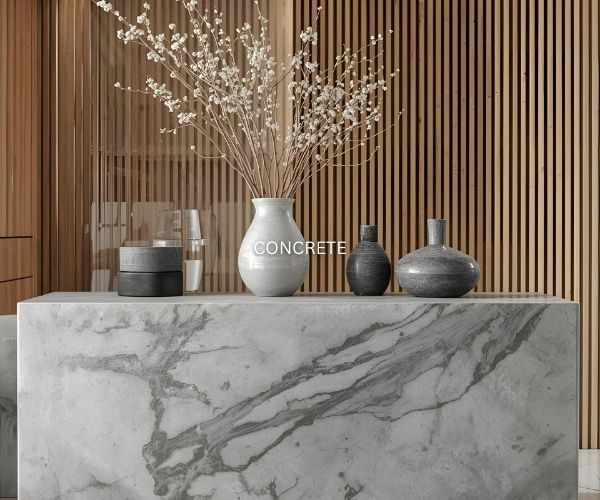
Concrete countertops can be made to look any way you want. You can add color, texture, or even stones or shells to them.
- Pros: You can change it to fit your needs, it looks modern, it doesn’t get hot, and it’s strong.
- Cons: It can break, needs to be sealed, is heavy, and can be expensive.
Works best in kitchens with a modern or industrial look.
Soapstone
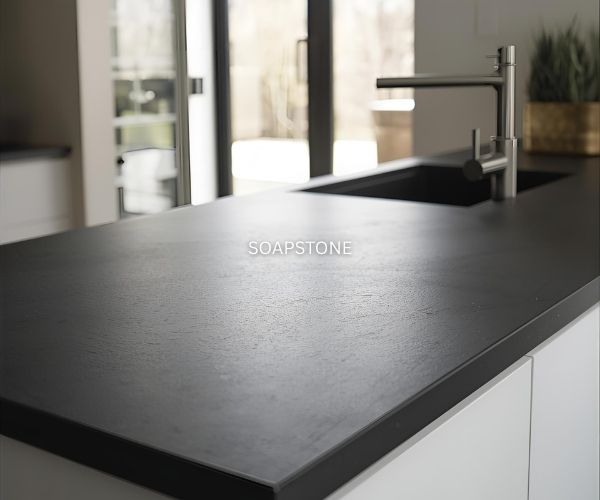
Soapstone is a natural stone that feels soft and smooth.
- Pros: Doesn’t get hot, doesn’t soak up water, and gets a unique patina.
- Cons: Not as hard as granite (can scratch or dent), only comes in a few colors, and needs oiling to look its best.
Good for people who want something that looks old and different.
Stainless Steel
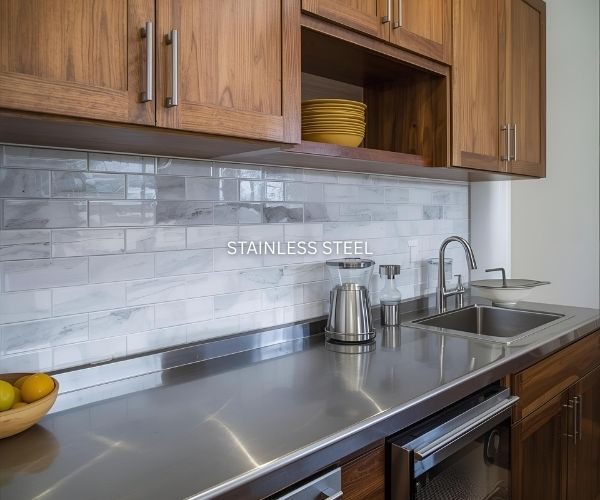
Most commercial kitchens have stainless steel countertops.
- Pros: Doesn’t get dirty or hot, looks modern and industrial.
- Cons: Can get scratched or dented, shows fingerprints, and is loud.
Perfect for modern kitchens or serious cooks.
4. Choose Countertops That Go With Your Kitchen Style
Countertops are one of the most important parts of your kitchen. Think about the overall design of your cabinets, floors, and other areas:
- Granite, marble, or butcher block look best in traditional kitchens.
- Quartz, concrete, and stainless steel are popular choices for modern kitchens.
- Butcher block, soapstone, or patterned laminate look great in a cottage or farmhouse kitchen.
- Stainless steel or concrete looks great in industrial kitchens.
Before you make a final decision, bring home samples and see how they look with your lighting and current finishes.
5. Think About Maintenance and Durability
Taking care of your countertops can make or break your relationship with them. Be honest about how much time and effort you’re willing to put in.
- Quartz, solid surface, laminate, and stainless steel are all easy to care for.
- Granite, soapstone, and butcher block are all medium-maintenance.
- Marble and concrete are hard to take care of.
Are you okay with cleaning up spills right away, resealing stone, or oiling wood on a regular basis? If not, use a material that is more forgiving.
6. Countertop Options That Are Good for the Environment
There are many eco-friendly countertop options if you care about the environment:
- Recycled glass countertops are made by crushing glass and putting it in resin or concrete. Strong and one of a kind.
- Countertops made of recycled paper are surprisingly strong, and heat resistant made of paper and resin.
- Bamboo countertops is a wood choice that can be used again and again.
- Reclaimed wood, gives a rustic, recycled look.
These choices can make your kitchen more interesting, and lower your carbon footprint.
7. Don’t forget about the Edges and Finishes
The shape of the edge of your countertop can affect, how it looks and how well it works. Some common choices are:
- Square: Tidy and up-to-date.
- Beveled or eased: Rounded a little bit for safety, and comfort.
- Ogee: A traditional, decorative look.
- Bullnose: Completely rounded for a softer look.
Some materials like laminate, don’t have as many edge options. On the other hand, stone or solid surfaces can be shaped however you want.
8. Sample, Sample, Sample!
Always ask for samples of your top picks and look at them in your kitchen. The colors and patterns of countertops can look very different in your home than they do in the showroom.
Check for:
- Stain resistance: Try spilling some coffee or wine and see how easy it is to clean.
- Scratch resistance: To test scratch resistance, lightly run a knife or key over the surface (if the seller lets you).
- Touch: Some surfaces are cool and smooth, like marble, while others are warm and rough, like wood.
9. Installing it yourself vs. Hiring a Pro
Some countertop materials, like laminate or butcher block, can be put together by skilled do-it-yourselfers, which saves money on labor. On the other hand, professionals must install stone, concrete, or quartz countertops. They are heavy and need exact cuts, and mistakes can be expensive.
Always hire a qualified installer for stone surfaces, and before you hire them, check their references or read reviews.
10. Make sure your investment lasts
If you want to sell your home, countertops made of neutral or classic materials like granite, quartz, or subtle laminates are more likely to attract buyers and raise the value of your home. Using bold or trendy colors could make your kitchen look older faster.
11. Kitchen Countertops That Are Popular Right Now
It’s always safe to go with classic styles, but it’s also fun to look at what’s popular right now:
- Waterfall edges: Are the parts of the countertop that flow down the sides of the island or cabinets.
- Mixing materials: For example, a butcher block island with a quartz perimeter is an example of mixing materials.
- Matte finishes: Not as shiny as polished stone that is usually used.
- Bold veining: Strong patterns in quartz or marble that look like marble.
Keep in mind that trends come and go, but your countertops will last for a long time. Pick something you will love for a long time.